
Loading...
Serving Benton, AR and surrounding areas. (501) 409-0073
Benton Concrete Company provides concrete pool deck installation, driveway replacement, patio construction, and foundation work throughout Hot Springs, AR - serving Garland County homeowners on sloped terrain, lake properties near Lake Hamilton, and older homes in the neighborhoods surrounding Hot Springs National Park. We respond with written estimates within one business day.
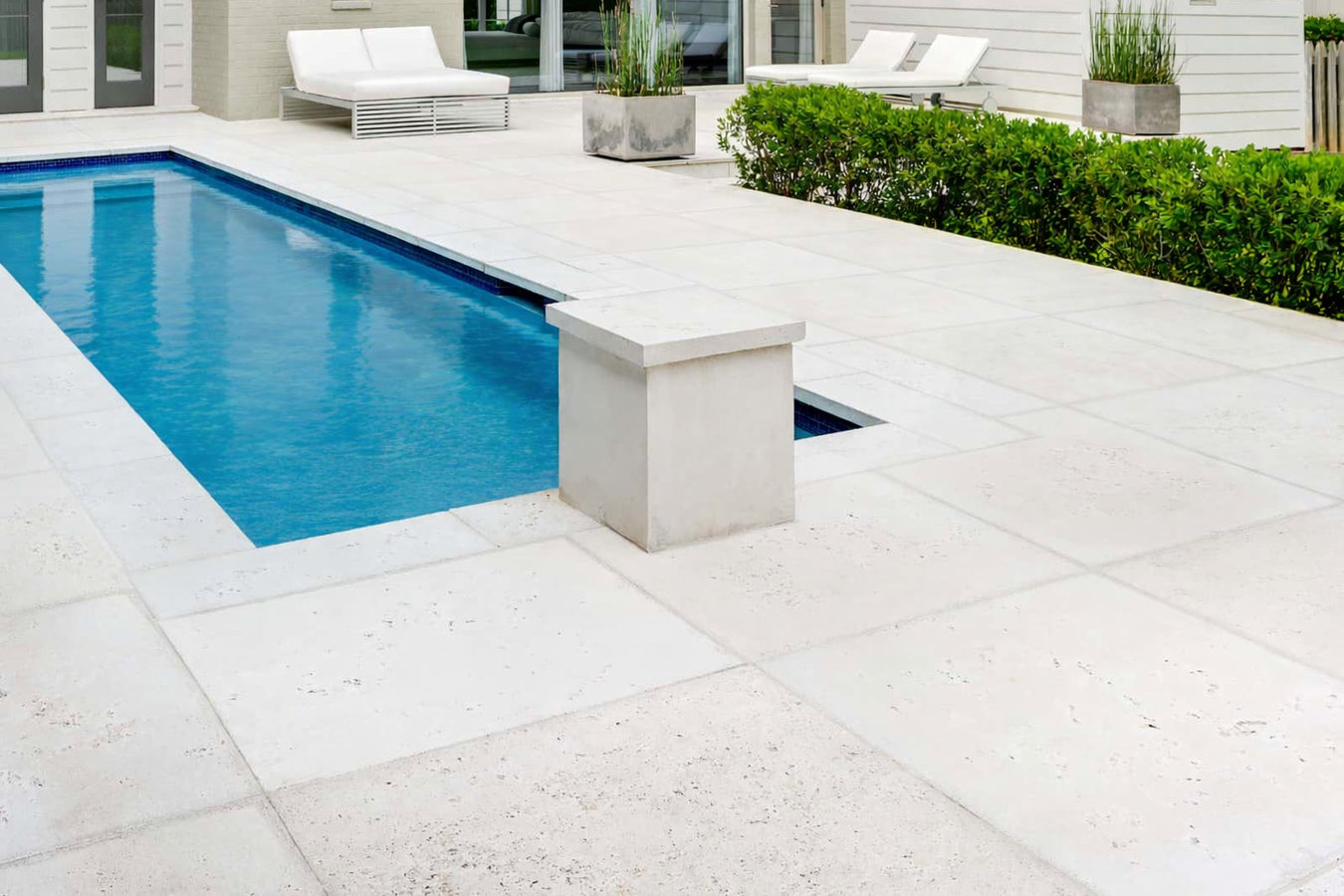
Hot Springs properties near Lake Hamilton and Lake Catherine often have outdoor pools, and pool decks in this area take more abuse than in flat suburban settings - sloped lots create drainage issues that pool water runoff compounds over time. A properly installed concrete pool deck in Hot Springs needs to be sloped correctly, finished with a texture that handles wet feet on a hillside, and built with control joints that manage the stress of seasonal temperature swings between Hot Springs winters and summers.
Many Hot Springs driveways navigate significant grade changes from the street to the garage, especially in the hillside neighborhoods near downtown and Bathhouse Row. A driveway on a slope requires proper grading and drainage planning before the pour, not after, and the base preparation on a hillside lot differs from what flat ground requires. We assess slope, drainage, and access during the estimate and pour driveways that hold their surface and grade through Hot Springs freeze-thaw winters and heavy summer rain.
Hot Springs homeowners with outdoor living areas enjoy the city for most of the year, and a concrete patio handles the humidity and rain that Hot Springs receives better than wood decking that rots and warps in this climate. Properties on wooded hillside lots require extra attention to root intrusion and slope drainage so the patio does not become a water collection point after storms - we address both during installation.
Sloped lots in the Ouachita Mountain foothills around Hot Springs frequently need retaining walls to manage grade changes and prevent soil erosion during the 54-plus inches of annual rainfall the city receives. Concrete retaining walls handle lateral soil pressure better than timber or block on steeper sites, and we engineer footing depth based on the specific grade and soil load rather than applying a flat-terrain standard to a hillside job.
Grade changes on Hot Springs lots often mean exterior steps connecting the driveway, yard, or porch to different levels of the property - a common feature of the hillside homes and craftsman-style houses near downtown. Concrete steps on sloped terrain need proper drainage cuts and non-slip finishes, and the footings must be set below frost depth so freeze-thaw cycles do not heave sections out of level over successive winters.
Homes built in Hot Springs before 1960 - and there are many throughout the historic neighborhoods near the national park - are at the age where foundation settlement, soil erosion on sloped lots, and years of heavy rainfall can cause sections to drop. Foundation raising lifts settled areas back toward level without the full cost and disruption of demolition and rebuild, and it is a realistic option for owners of older Hot Springs homes who want to protect a property they intend to keep.
Hot Springs sits in the Ouachita Mountains in Garland County, and that geography shapes nearly every concrete job in the city. The terrain is hilly, lots are often sloped, and tree coverage is heavy throughout most residential neighborhoods. These conditions create drainage patterns, root systems, and grade changes that do not exist on flat suburban lots - and they require different approaches to base preparation, drainage design, and form placement than a contractor used to working in flat central Arkansas terrain would apply here. Add to that the city receives over 54 inches of rain annually, well above the national average, and water management around any concrete installation becomes a primary concern rather than an afterthought.
The housing stock adds another layer of complexity. A significant portion of Hot Springs homes were built before 1960, and properties near Bathhouse Row and the historic core of the city include craftsman bungalows and Victorian-era homes from the early 1900s. These older structures sit on foundations that have been through decades of Hot Springs freeze-thaw cycling, and adjacent flatwork - driveways, sidewalks, pool decks - reflects that age. The city also has a notable share of vacation homes and short-term rental properties near Lake Hamilton and Lake Catherine that can sit empty part of the year, allowing small problems to grow into larger ones before an owner notices. A contractor who works in Hot Springs regularly knows which neighborhoods sit on the worst clay soil, how slope affects drainage on a specific street, and what the local inspection office requires for permitted work near the national park boundary.
Our crew works throughout Hot Springs regularly, and we understand the local conditions that affect concrete work here. Hot Springs is a city of roughly 37,000 people in Garland County, about 55 miles southwest of Benton, and it draws both long-term residents and a steady stream of visitors to Hot Springs National Park and the famous Bathhouse Row on Central Avenue. That mix of permanent homeowners, rental properties, and vacation homes near the lakes means concrete work ranges from historic neighborhood driveways to lake-house pool decks to foundation repairs on homes that have been standing for 80 years.
The hillside neighborhoods closer to downtown - where older craftsman and Victorian homes sit on sloped lots with mature tree coverage - require more planning time on each job than flat-lot work does. Central Avenue, Ouachita Avenue, and the roads running up toward Hot Springs Mountain are familiar reference points for us in this city. Lake Hamilton and the neighborhoods along its shore represent a different category of work: waterfront properties with high moisture exposure and lots that often include both sloped terrain and pool or outdoor living areas. We plan access and drainage differently for lakeside jobs than for in-town ones.
Hot Springs sits southwest of the Benton area, and we regularly serve homeowners on the route connecting the two cities. We also frequently work in Arkadelphia, which is about 35 miles south of Hot Springs on US Highway 70, and in Saline County to the northeast. If you are in Hot Springs or anywhere in Garland County, we can reach you and will reply to your estimate request within one business day.
Call us or fill out the contact form and describe your project. We reply within one business day to schedule a site visit - you do not need to have measurements or a plan ready before you reach out.
We visit the property to assess the slope, soil conditions, drainage, access, and any permit requirements specific to your Hot Springs address. The written estimate covers materials, labor, and timeline - no hidden add-ons after the work starts.
On sloped Hot Springs lots, base preparation often includes grading work the day before the pour. The day of the pour covers demo of old material if needed, base compaction, form setting, concrete placement, and finishing - you do not need to be present throughout the day but should be available at the start.
Before we leave, we walk you through the curing timeline - no vehicle traffic for at least seven days, full strength at 28 days - and explain how to protect the surface during that period. The job site is cleaned and any staging materials are removed the same day.
We serve all of Hot Springs and Garland County - sloped lots, lake properties, and older homes included. Written estimates within one business day, no pressure.
(501) 409-0073Hot Springs is a mid-sized city of roughly 37,000 people in Garland County, located in the Ouachita Mountain foothills of west-central Arkansas. It is best known nationally as the home of Hot Springs National Park, the only U.S. national park situated inside a city, and for the historic thermal bathhouses lining Central Avenue in the Bathhouse Row district. The city has a dense, walkable historic core surrounded by hillside residential neighborhoods where homes range from Victorian-era and craftsman bungalows built in the 1910s and 1920s to mid-century brick ranches. Further out, newer development fills in the areas around Lake Hamilton to the south and Lake Catherine to the southwest, creating a mix of permanent lakefront homes, resort properties, and short-term rentals.
The city's character is shaped by tourism, the national park, and Oaklawn Racing Casino Resort on Central Avenue - a Hot Springs institution since 1904. Homeownership rates are split between long-term owner-occupied residences and a notable share of rentals and vacation properties. Neighborhoods near downtown skew older in housing stock and are popular with buyers who value the historic character of early 20th century homes. Lake Hamilton communities attract a different buyer focused on waterfront living and outdoor recreation. Both types of properties present specific concrete challenges, and homeowners across Hot Springs are well-served by a contractor familiar with the terrain, the housing stock, and the climate. We also serve homeowners in nearby Arkadelphia to the south and throughout the region.
Get a durable, well-finished driveway built to handle daily traffic.
Learn MoreAdd texture and color to concrete surfaces for a decorative finish.
Learn MoreSafe, level sidewalks installed for homes and commercial properties.
Learn MoreSolid retaining walls that control erosion and support your landscape.
Learn MoreCustom concrete steps built to code for entryways and walkways.
Learn MoreStrong concrete slabs poured for sheds, additions, and new builds.
Learn MoreReliable foundation installation that supports your structure long-term.
Learn MoreHeavy-duty parking lots designed to handle commercial vehicle loads.
Learn MoreRestore settled foundations to the correct level safely and efficiently.
Learn MoreWhether your property is on a hillside lot, near the lake, or in an older neighborhood close to the national park, we handle it. Call today or submit a request and hear back within one business day.