
Loading...
Serving Benton, AR and surrounding areas. (501) 409-0073
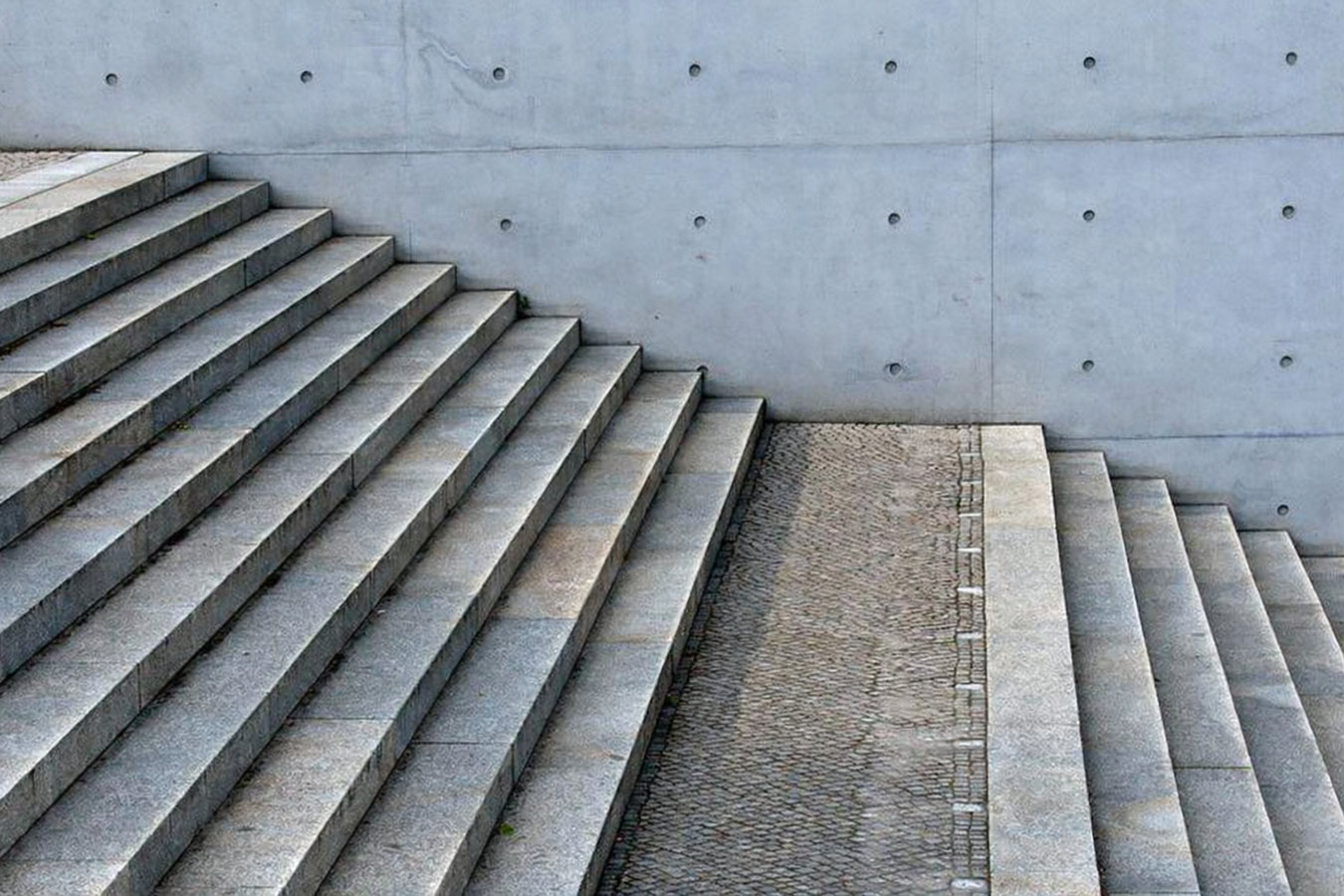
Wobbly, cracked, or sinking entry steps are a safety problem, not just an eyesore. We build concrete steps in Benton that hold up through clay soil movement, winter freezes, and years of daily use.
Concrete steps construction in Benton means building or replacing poured-in-place entry stairs that connect your front door, back door, or garage to the ground. Most residential projects are completed in one to two days of active work, with the steps ready for normal foot traffic within 48 hours of the pour.
Many Benton homeowners with older homes notice the problem gradually - a small crack after a dry summer, a slight tilt the following winter, and steps that feel less solid underfoot each year. With Saline County clay soil, that pattern is predictable: the ground moves, the steps move with it, and a patch job that does not address the base just restarts the cycle.
If your property also has grade changes or slopes near the entry that need to be managed, concrete steps pair naturally with concrete retaining walls to create a stable, connected solution rather than two separate problems.
If you can see cracks wider than a hairline - especially ones that go all the way through a step or have edges at different heights - the structural integrity is compromised. In Benton clay soil, these cracks often start small after a dry summer and widen each winter as water gets in and freezes. Once a crack is wide enough to collect standing water, the steps need to be replaced, not just patched.
If your steps no longer sit level, or there is a visible gap between the top step and your door threshold, the base beneath them has shifted. This is a common problem in Benton because of the expansive clay soil that moves with moisture changes. Uneven steps are a tripping hazard and will only get worse over time - they cannot be fixed by resurfacing alone.
When the top layer of concrete starts to flake off in chunks or the surface feels rough and pitted, it is called spalling. Older steps in Benton that were never sealed and have been through many seasons of summer heat and winter freezes are especially prone to this. Once spalling starts, water gets into the concrete more easily and deterioration speeds up - replacement is usually more cost-effective than repeated patching.
If any step shifts, wobbles, or makes a hollow sound when you tap it, the concrete has likely separated from its base or from the step below it. This is a safety issue - a step that moves underfoot can cause a serious fall, especially for older family members. Do not wait on this; it is worth getting a contractor out to assess it right away.
We build new and replacement concrete entry steps for homes across Benton and Saline County. Every project starts with proper base preparation - compacted fill, gravel layer if needed, and wooden forms built to the correct rise and run dimensions before the concrete goes down. Surface finishes range from standard broom texture to decorative options including exposed aggregate and stamped patterns that complement your home exterior. Sealing recommendations are included with every completed project.
For properties where the entry grade also needs managing, we handle concrete retaining walls that work alongside the steps to stabilize the ground. When the project is part of a larger foundation or structural effort, slab foundation building can be scoped into the same job to avoid two separate mobilizations.
Suits homeowners with original steps from the 1960s through 1990s that are cracked, sinking, or past repair.
Suits properties where secondary entries need safe, durable steps built to the same standard as the front.
Suits homeowners who want a practical, safe, non-slip surface at the most straightforward price point.
Suits homeowners who want entry steps that complement the style of a brick or stone home exterior.
Suits additions, garage conversions, and new builds that need steps installed from grade up.
Suits sloped or terraced entries where the steps need to be built in coordination with grade management.
A large share of Benton neighborhoods were built from the 1960s through the 1990s, and many of those homes still have their original concrete entry steps. Steps of that age often show deep surface scaling, settled sections, or crumbling edges - all signs they are past repair and need full replacement. Benton clay soil plays a direct role: the ground has been swelling and shrinking with moisture for decades, and steps that were poured without a proper base or gravel layer have been slowly moving with it. Homeowners in Benton who have patched steps before often find themselves back at the same problem within a year or two because the base was never corrected.
Winter freeze-thaw cycles compound the issue. Benton temperatures dip below freezing regularly from December through February, and water that seeps into small surface cracks can freeze, expand, and widen those cracks - a process that compounds year after year. Steps that were never sealed or properly finished are especially vulnerable. In Bryant and the surrounding communities, the same soil and climate conditions apply, so the base preparation and sealing standards we use in Benton are consistent across all of our central Arkansas work. The Portland Cement Association publishes guidance on proper base preparation for expansive soils that informs how we approach every steps project.
We ask a few basics - how many steps, whether they attach to the house, and what condition they are in now. You will hear back within one business day. Most homeowners have a rough ballpark before the end of that first conversation.
We come to your property, look at the existing steps, check the ground around them, and walk you through finish options. You will get a written estimate covering labor, materials, and any permit costs before any work is scheduled.
We handle the permit application with the City of Benton on your behalf if one is required. Processing typically takes a few business days to a week or two. Once the permit clears, you will have a firm start date on the calendar.
Old steps come out on day one, then the crew prepares the base before building the forms and pouring. The pour itself takes a few hours. Plan to use an alternate entry for 24 to 48 hours, and avoid putting anything heavy on the steps for about a week.
No commitment required. We will look at your steps, give you an honest assessment on repair versus replacement, and provide a written estimate before any work begins.
(501) 409-0073We do not pour steps directly onto Benton clay. Every project includes proper base preparation - compaction, gravel layer, and correctly sized forms - before the concrete goes down. This is the difference between steps that hold for decades and steps that crack again within a few years.
We file the required building permits with the City of Benton and schedule the inspector walkthrough on your behalf. You do not have to track down any forms or follow up with any office - we handle it as part of the job.
Some steps can be repaired at a fraction of replacement cost. We will tell you honestly which situation you are in rather than defaulting to the more expensive option. If your steps can be patched and sealed effectively, that is what we will recommend.
We have been doing concrete work in Benton and Saline County since 2019. That experience means we understand how this area's soil and seasonal conditions behave, and we build steps that reflect that knowledge rather than guessing. The American Concrete Institute standards guide how we mix, place, and finish every set of steps we build.
Entry steps are one of those things that get used every single day and noticed only when they fail. Building them right the first time means you stop thinking about them - and that is exactly the point.
If your home needs a new foundation slab alongside entry steps, we handle both on the same project to keep the scope clean.
Learn MorePair concrete steps with a retaining wall to manage grade changes and create safe, connected transitions across your property.
Learn MoreIf your steps are cracking, tilting, or past their useful life, now is the right time to act - before winter freeze-thaw cycles make the damage worse.